

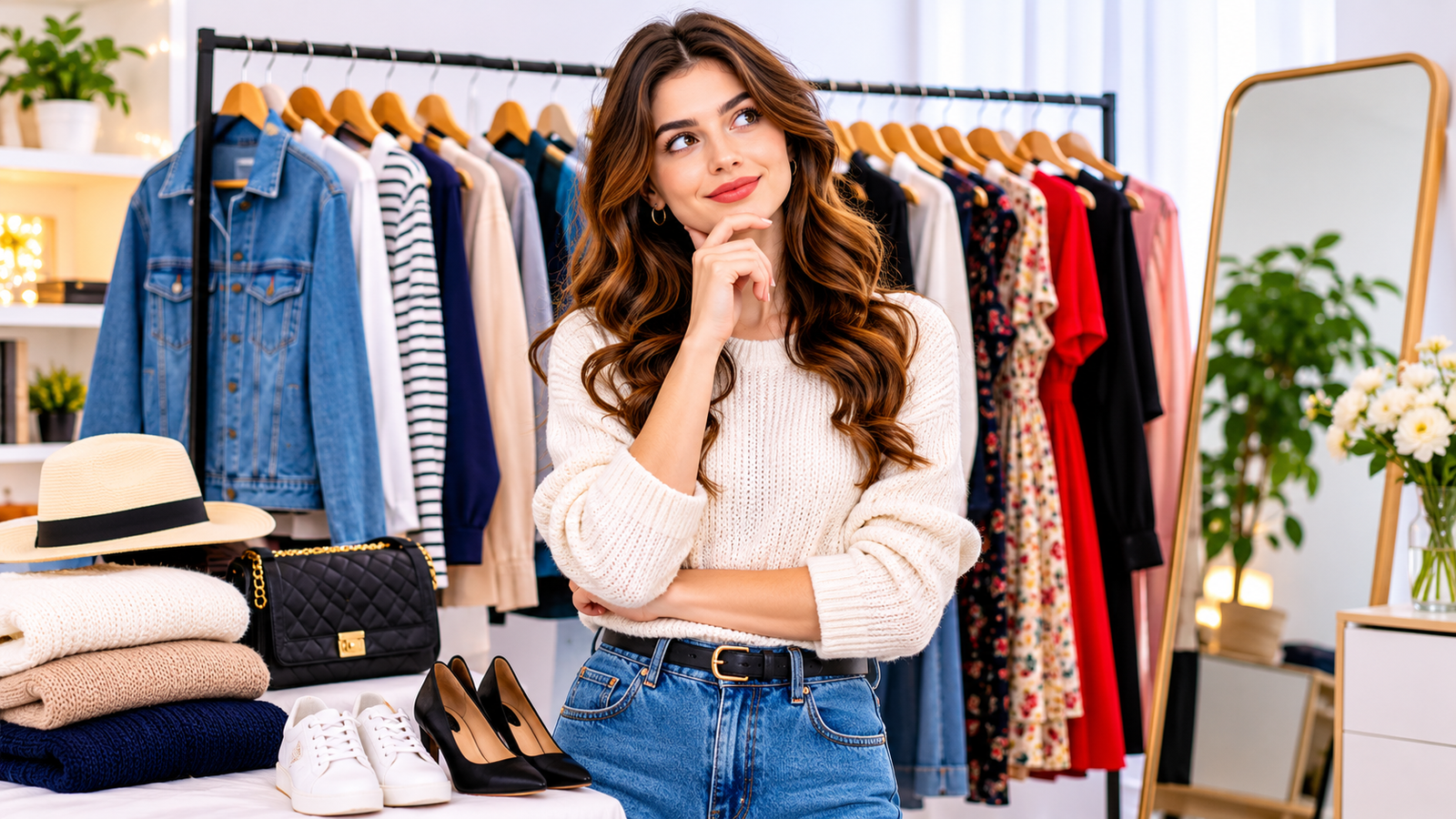
Choosing what to wear can sometimes feel like a difficult decision, especially when there are so many clothing styles, colors, fabrics, and trends available. Whether you are getting ready for work, attending a special event, meeting friends, going on a date, or simply spending a relaxing day at home, the right outfit can make a significant difference in how you look and feel. Clothing is not just something people wear to cover their bodies. It is also a way to express personality, confidence, creativity, and individual style.
The best outfit is not necessarily the most expensive or fashionable one. It is the outfit that makes you feel comfortable, suits the occasion, and matches the weather. Understanding how to combine different clothing pieces can help you create attractive outfits without spending too much money or following every new fashion trend. What to Wear
Understanding What to Wear for Different Occasions
One of the most important things to consider when deciding what to wear is the occasion. Different situations require different clothing styles. An outfit that looks perfect for a casual afternoon with friends might not be appropriate for a professional meeting or formal celebration.
For everyday activities, comfortable clothing is usually the best choice. Jeans, T-shirts, casual shirts, sneakers, and lightweight jackets can create a simple but stylish appearance. These clothing combinations are practical because they allow you to move freely while maintaining a neat look.
Professional environments generally require more polished clothing. Depending on the workplace, formal trousers, button-down shirts, blazers, skirts, and comfortable dress shoes can help create a professional appearance. Choosing clean, properly fitted clothing can make you look organized and confident.
Special occasions often provide an opportunity to wear something more elegant. Weddings, birthday celebrations, formal dinners, and parties may require dresses, suits, traditional outfits, or stylish combinations that match the event’s atmosphere. What to Wear
Understanding the purpose of an occasion makes choosing an outfit easier. Instead of selecting clothing randomly, think about where you are going, who you will meet, and what kind of environment you will be entering.
What to Wear During Summer
Summer weather can make choosing an outfit challenging because high temperatures and humidity can affect comfort throughout the day. During this season, lightweight fabrics and breathable clothing are essential for staying cool.
Cotton is one of the most popular summer fabrics because it allows air to circulate and absorbs moisture. Linen is another excellent option, especially for people who prefer relaxed and elegant clothing. Both materials are suitable for everyday outfits, outdoor activities, and casual gatherings.
Light-colored clothing is also a popular summer choice. White, beige, cream, light blue, and pastel shades can create a fresh appearance. These colors are easy to combine with different accessories and footwear.
For casual summer outfits, a simple cotton T-shirt with comfortable trousers or shorts can work well. Women may prefer lightweight dresses, skirts, loose tops, or comfortable matching sets. Men can choose breathable shirts, polo shirts, chinos, and casual shorts. What to Wear
Footwear should also match the weather. Comfortable sandals, breathable sneakers, and lightweight shoes are practical choices for warm days.
The most important summer fashion principle is avoiding unnecessary layers. Wearing loose and breathable clothing can help you remain comfortable while still looking fashionable.
What to Wear During Winter
Winter requires a different approach to dressing because staying warm becomes just as important as looking stylish. Cold temperatures, strong winds, and occasional rain or snow can influence the clothing choices you make.
Layering is one of the most effective ways to dress during winter. Instead of depending on one extremely thick garment, you can combine several clothing layers to maintain warmth. A comfortable shirt underneath a sweater, followed by a coat or jacket, creates a practical winter outfit.
Wool, fleece, thermal materials, and insulated fabrics are popular choices for colder weather. These materials help retain body heat and provide additional comfort.
Neutral colors such as black, brown, grey, navy, and cream are particularly useful during winter because they work well together. A dark coat with a light sweater and fitted trousers can create a clean and sophisticated appearance. What to Wear
Boots are another important winter fashion choice. They can protect your feet from cold conditions while complementing different clothing styles. Scarves, gloves, and warm hats can also provide extra protection.
Winter fashion does not mean wearing oversized clothing without considering appearance. Choosing properly fitted layers helps maintain a balanced look while providing the warmth you need.
What to Wear for Work
Choosing the right work outfit depends on your profession, workplace environment, and company dress code. Some workplaces require traditional business clothing, while others allow employees to wear smart casual outfits.
For formal office environments, tailored trousers, dress shirts, blazers, skirts, and professional shoes are common choices. These clothing pieces create a polished appearance without requiring complicated styling.
In workplaces with a relaxed dress code, dark jeans, plain shirts, knitwear, and clean sneakers may be acceptable. The key is maintaining a neat and professional appearance even when formal clothing is not required. What to Wear
Color selection can also influence your overall work style. Navy, black, white, grey, and beige are versatile colors that create a professional impression. You can introduce subtle colors through shirts, scarves, accessories, or other clothing details.
Comfort should never be ignored when choosing work clothes. If you spend several hours sitting, walking, or standing, your outfit should allow you to perform your responsibilities comfortably.
A good work wardrobe contains clothing that can be combined in different ways. This makes getting ready easier and reduces the need to purchase new outfits regularly.
What to Wear on a First Date
A first date can be exciting, but choosing an outfit sometimes creates unnecessary stress. You want to look attractive, feel confident, and make a positive impression without appearing uncomfortable or overdressed.
The best outfit depends on the location and planned activities. A coffee date usually calls for a relaxed and stylish appearance, while a dinner date may provide an opportunity to wear something more elegant.
For a casual date, well-fitted jeans, a clean shirt, and attractive sneakers can create an effortless look. Women may choose a comfortable dress, stylish top, or a combination of jeans and a fashionable blouse.
For a more formal evening, tailored trousers, a sophisticated shirt, an elegant dress, or a well-fitted jacket can be appropriate. What to Wear
Personal grooming is just as important as clothing. Clean shoes, fresh clothing, neat hair, and simple accessories can improve your overall appearance.
Avoid wearing something completely unfamiliar just because you think it will impress someone. Choosing an outfit that reflects your personality can help you feel more relaxed and confident throughout the date.
What to Wear to a Wedding
Weddings are special occasions that usually require more thoughtful clothing choices. Before selecting an outfit, consider the wedding invitation, location, time, and dress code.
A traditional formal wedding may call for suits, elegant dresses, or sophisticated traditional clothing. Outdoor weddings may allow lighter fabrics and more relaxed styles, depending on the event.
Color selection is another important consideration. Guests should generally avoid wearing white when the couple has requested that guests leave this color for the bride. However, wedding traditions and dress expectations can differ between cultures. What to Wear
For men, a well-fitted suit, dress shirt, formal trousers, and polished shoes can create an elegant appearance. Women may choose formal dresses, stylish traditional outfits, or coordinated separates.
In South Asian weddings, traditional clothing such as shalwar kameez, sherwanis, lehengas, sarees, and embroidered outfits is especially popular. These styles offer an opportunity to celebrate cultural traditions while maintaining an attractive appearance.
Comfort should remain part of your decision. Weddings often involve long ceremonies, photography, meals, and dancing. Clothing and footwear should allow you to enjoy the event without constant adjustments.
What to Wear for a Casual Day Out
Casual outfits are among the easiest clothing combinations to create because they offer flexibility and comfort. Whether you are shopping, visiting a friend, going to a restaurant, or exploring your city, casual clothing can help you look stylish without much effort.
A basic T-shirt and jeans combination remains a timeless option. You can change the overall appearance by selecting different colors, fits, shoes, and accessories. What to Wear
Oversized shirts, relaxed trousers, polo shirts, denim jackets, and simple sneakers are also popular casual clothing choices.
Women can create comfortable everyday outfits with jeans, casual dresses, skirts, loose shirts, and lightweight tops. Men can experiment with chinos, denim, casual button-down shirts, and basic T-shirts.
Accessories can make simple outfits more interesting. A watch, sunglasses, handbag, belt, or minimal jewelry can add personality without making the outfit look excessive.
The secret to casual fashion is finding a balance between comfort and appearance. Clothing should feel natural while still looking clean and coordinated.
How to Choose the Right Colors for Your Outfit
Color coordination is an important part of creating an attractive outfit. Even simple clothing can look fashionable when the colors complement each other.
Neutral colors are particularly useful because they can be combined with many different shades. Black, white, grey, beige, brown, and navy provide a strong foundation for everyday clothing.
If you prefer a simple appearance, wearing two or three complementary colors can create a balanced outfit. For example, navy trousers with a white shirt and brown shoes offer a classic combination.
People who enjoy experimenting with fashion can introduce brighter shades through individual clothing pieces or accessories. Green, burgundy, blue, red, and pastel colors can add visual interest. What to Wear
Understanding contrast can also improve your clothing choices. Light-colored shirts can look attractive with darker trousers, while darker tops can create an interesting combination with lighter bottoms.
You do not need to follow strict fashion rules to choose good colors. Personal preference, comfort, and the occasion should guide your final decision.
What to Wear According to Your Body Shape
Understanding your body shape can help you choose clothing that creates a balanced and comfortable appearance. However, fashion should never be about hiding your body or following unrealistic standards. The goal is to find clothing that makes you feel confident.
Properly fitted clothing often looks more polished than garments that are unnecessarily tight or excessively loose. Different cuts and designs can create different visual effects, allowing you to experiment with your personal style.
High-waisted trousers, straight-leg jeans, fitted shirts, loose tops, and structured jackets can all create different silhouettes. The most suitable choice depends on your comfort and the appearance you prefer.
Fabric also matters. Lightweight materials generally create a relaxed appearance, while structured fabrics can provide a more defined shape. What to Wear
Rather than focusing too much on body categories, pay attention to how clothing fits around your shoulders, waist, hips, and legs. A comfortable fit can make almost any outfit look better.
What to Wear When Traveling
Travel clothing should prioritize comfort, flexibility, and practicality. Whether you are traveling by airplane, train, bus, or car, your outfit should allow you to move easily and remain comfortable during the journey.
Soft trousers, comfortable jeans, cotton shirts, lightweight sweaters, and breathable footwear are useful travel clothing options. If the destination has changing temperatures, wearing layers can make it easier to adjust throughout the journey.
Long-distance travelers should avoid clothing that feels restrictive. Extremely tight trousers, uncomfortable shoes, and complicated outfits may become frustrating after several hours.
The destination also matters. A tropical location requires breathable summer clothing, while a colder destination may require jackets, sweaters, and insulated footwear.
You should also consider the activities planned during your trip. Walking tours, sightseeing, shopping, and outdoor adventures may require different clothing combinations. What to Wear
A practical travel wardrobe allows you to create several outfits using a limited number of clothing pieces. This helps reduce luggage while keeping your appearance fresh.
What to Wear for a Party
Party outfits provide more freedom to experiment with fashion, colors, textures, and accessories. The right clothing depends on the type of celebration, venue, and atmosphere.
A casual house party may be suitable for jeans, fashionable tops, comfortable shirts, and stylish sneakers. A birthday dinner or evening celebration may call for a more polished outfit.
For formal parties, elegant dresses, tailored suits, dress shirts, and sophisticated footwear can create a refined appearance.
Some parties have specific themes or dress codes. Following these expectations can help you feel comfortable and appropriately dressed. What to Wear
Accessories can also transform an ordinary outfit into something more memorable. Statement jewelry, stylish watches, fashionable bags, and attractive footwear can add personality.
However, avoid choosing an outfit that makes it difficult to enjoy the celebration. You should be able to sit, walk, dance, and socialize comfortably.
How to Build a Wardrobe With Essential Clothing
Building a useful wardrobe does not require purchasing every new fashion trend. A better approach is to invest in versatile clothing that can be combined in different ways.
Basic T-shirts, comfortable jeans, neutral trousers, button-down shirts, sweaters, jackets, and suitable footwear provide a strong starting point.
These clothing pieces can create outfits for casual activities, work environments, and social occasions. Their versatility makes them valuable additions to almost any wardrobe.
Quality is another important consideration. Clothing made from durable fabrics and finished with good stitching can last longer than poorly manufactured alternatives. What to Wear
You should also pay attention to fit. Even expensive clothing may look unattractive if it does not fit properly.
Before purchasing something new, consider whether it matches the clothing you already own. Selecting versatile pieces can help you create more outfits without increasing your spending unnecessarily.
Common Fashion Mistakes to Avoid
Choosing an outfit becomes easier when you understand some common fashion mistakes. One frequent mistake is wearing clothing that does not suit the occasion. A very casual outfit may look inappropriate at a formal event, while an elaborate outfit may feel uncomfortable during an ordinary afternoon.
Another mistake is ignoring the weather. Heavy fabrics during hot weather and insufficient layers during winter can make even attractive outfits uncomfortable.
Poor fitting is also something to consider. Clothing that is too tight can restrict movement, while excessively loose garments may create an unbalanced appearance if they are not styled intentionally.
Wearing too many different colors, patterns, or accessories can sometimes make an outfit look crowded. Creating a simple combination with a few complementary elements often produces a cleaner result.
Footwear should never be treated as an afterthought. Shoes are an important part of your overall appearance, and dirty or inappropriate footwear can affect an otherwise attractive outfit. What to Wear
The most effective way to avoid these mistakes is to plan your clothing according to the occasion, temperature, and personal comfort.
How to Dress Confidently Without Following Every Trend
Fashion trends change constantly, but personal style can remain consistent. You do not need to purchase every popular item to look fashionable.
Some people prefer minimalist outfits, while others enjoy colorful clothing, streetwear, traditional designs, or elegant formal styles. Each approach can look attractive when the clothing is selected thoughtfully.
Confidence plays an important role in personal appearance. When you feel comfortable in your clothing, it becomes easier to express yourself naturally.
Experimenting with different combinations can help you discover which styles suit your personality. You may find that certain colors, fabrics, or clothing cuts become regular favorites. What to Wear
It is also important to remember that fashion is not limited by age, budget, or body shape. Anyone can develop a personal style by choosing clothing that feels appropriate and enjoyable.
What to Wear When You Have Nothing to Wear
Almost everyone has experienced the feeling of opening a wardrobe filled with clothes and still believing there is nothing suitable to wear. This often happens because individual clothing pieces have not been combined effectively.
Instead of immediately purchasing something new, look at the basic items already available in your wardrobe. A simple shirt can look different when paired with jeans, trousers, or a skirt.
Changing footwear or adding a jacket can also create a completely different appearance. Sometimes, the problem is not a lack of clothing but a lack of new combinations.
Keeping your wardrobe organized makes it easier to identify available options. Separating everyday clothing, formal outfits, seasonal garments, and accessories can simplify your decisions. What to Wear
Planning outfits in advance is another useful approach, especially when you have a busy schedule. It reduces unnecessary stress and allows you to prepare for upcoming activities.
Final Thoughts on What to Wear
Deciding what to wear does not have to be a complicated process. The best outfit depends on the occasion, weather, personal preferences, and level of comfort you want throughout the day. Whether you are choosing casual clothing, professional outfits, wedding attire, or seasonal fashion, understanding basic styling principles can make your decisions easier.
Building a wardrobe around versatile clothing, choosing complementary colors, and paying attention to proper fitting can help you create attractive combinations without spending unnecessarily. You should also remember that fashion is a personal form of expression, and there is no single outfit that works for everyone.
Ultimately, the right clothing is whatever makes you feel comfortable, confident, and prepared for the situation. Instead of following every trend, focus on developing a style that reflects your personality and makes getting dressed an enjoyable part of your daily routine.