

Introduction to FIFA World Cup 2026 Standings
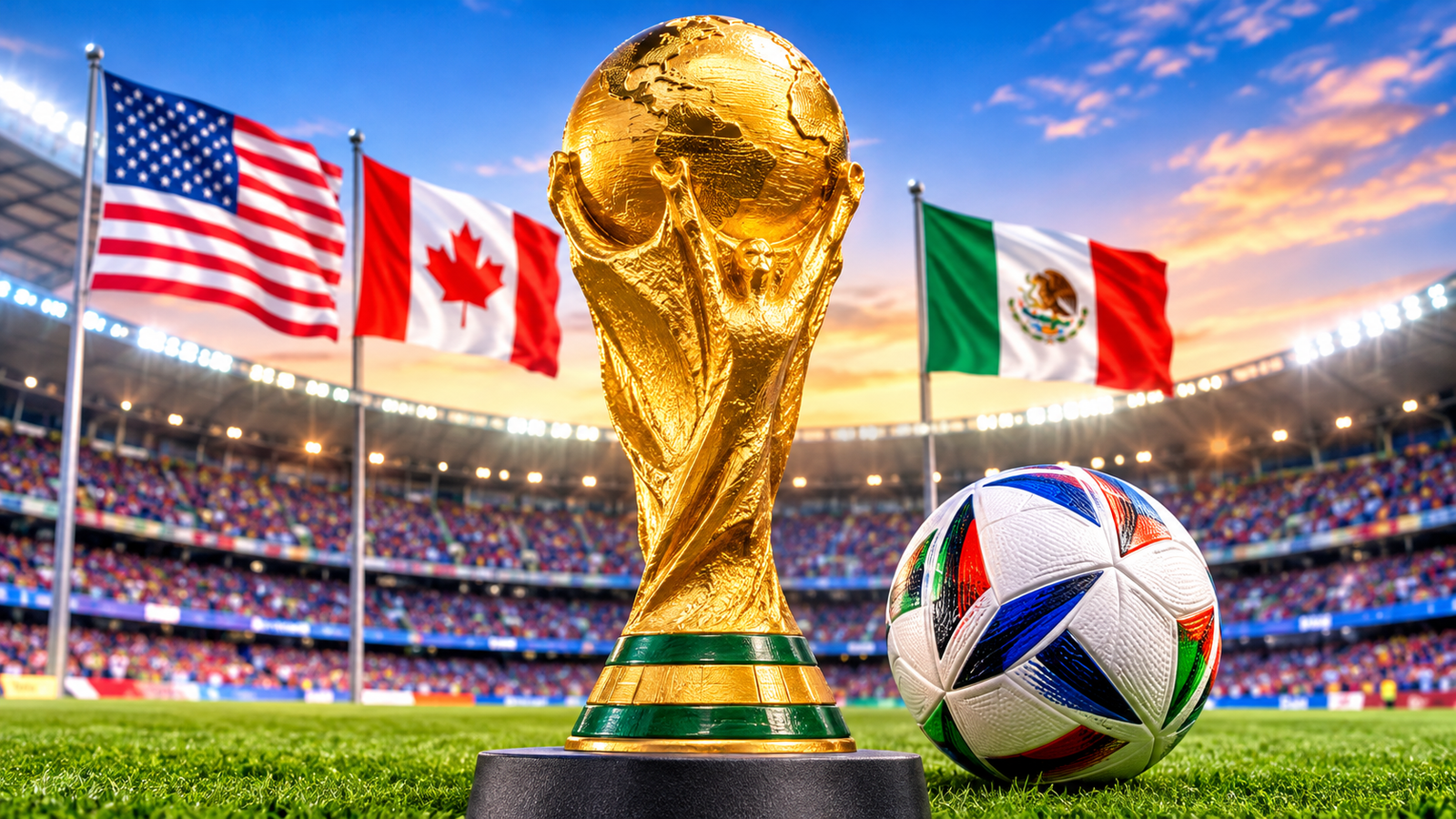
The FIFA World Cup 2026 was one of the most exciting international football tournaments, bringing together the world’s best national teams for an unforgettable competition. Hosted by the United States, Canada, and Mexico, the tournament introduced a new era of international football with an expanded format featuring 48 national teams.
The FIFA World Cup 2026 standings became an important topic for football fans who wanted to follow their favourite teams, compare national team performances, and understand which countries progressed through the different stages of the competition. From the opening group matches to the final, every result played an important role in determining the final rankings.
The tournament concluded on July 19, 2026, with Spain defeating Argentina 1-0 after extra time to become world champions. England secured third place after an exciting 6-4 victory over France in the bronze medal match. These results created a memorable conclusion to a competition filled with surprising performances, dramatic matches, and outstanding individual displays. Final tournament standings
What Are FIFA World Cup 2026 Standings?
FIFA World Cup 2026 standings represent the positions of national teams based on their performances throughout the tournament. These rankings help football supporters understand how teams performed during the group stage and how far they progressed in the knockout rounds.
During the group stage, teams were ranked according to their match results and points. A victory earned three points, a draw provided one point, and a defeat resulted in zero points. Goal difference and goals scored were also important factors when teams finished with the same number of points.
After the group stage, the competition moved into the knockout rounds. Teams had to win their matches to continue their journey toward the championship. Losing a knockout match meant elimination from the tournament, while successful teams moved closer to the final.
The final tournament standings considered performances across all stages, providing a complete picture of how the 48 participating countries finished.
FIFA World Cup 2026 Tournament Format
The 2026 FIFA World Cup introduced a new format that increased participation from 32 to 48 national teams. This expansion created more opportunities for countries from different continents to compete on football’s biggest international stage.
The 48 teams were divided into 12 groups, with four teams in each group. Every national team played three group-stage matches against the other countries in its group. The group results determined which teams advanced to the next stage.
The top two teams from each group qualified automatically for the knockout rounds. In addition, the eight best third-placed teams also progressed, creating a total of 32 teams in the first knockout round.
This format made the competition more competitive because teams had additional opportunities to qualify. Even countries that finished third in their groups could continue their World Cup journey if their performances were strong enough.
The knockout stage included the Round of 32, Round of 16, quarter-finals, semi-finals, the bronze final, and the championship final. Every stage brought greater pressure because a single defeat could end a team’s hopes of winning the trophy.
Final FIFA World Cup 2026 Standings
The final tournament rankings reflected the achievements of all 48 participating countries. Spain finished at the top after winning the championship, while Argentina secured second place following their defeat in the final.
England claimed third position after defeating France in the bronze final. France completed the tournament in fourth place after reaching the semi-finals but losing their final two matches.
Spain’s championship victory was particularly impressive because the team demonstrated consistency throughout the competition. Their defensive performance was one of the strongest aspects of their campaign, and they conceded only one goal on their journey to lifting the trophy.
Argentina also delivered an excellent tournament. The defending champions performed strongly during the group stage and overcame several difficult opponents in the knockout rounds before facing Spain in the final.
England’s third-place finish represented an important achievement, while France once again demonstrated why they are considered one of the strongest national teams in international football.
These final positions provided a clear picture of the teams that performed best during the competition and the countries that made significant progress.
Spain Finishes First in FIFA World Cup 2026 Standings
Spain became the biggest success story of the 2026 FIFA World Cup by finishing first in the final standings and winning the championship. The Spanish national team delivered impressive performances throughout the tournament and demonstrated excellent technical ability, teamwork, and defensive organisation.
Their campaign started with a surprising 0-0 draw against Cabo Verde. However, Spain quickly recovered and produced several strong performances in their remaining group and knockout matches.
The team defeated Saudi Arabia and Uruguay before continuing their successful journey through the knockout stages. Their victories against Austria, Portugal, Belgium, and France helped establish them as serious championship contenders.
Spain’s performance in the final against Argentina was another example of their determination. Both teams competed at a high level, but Spain eventually secured a 1-0 victory after extra time.
This achievement gave Spain its second men’s FIFA World Cup title and confirmed its position as the tournament’s strongest team.
Argentina Finishes Second After a Strong Campaign
Argentina entered the 2026 FIFA World Cup as the defending champion and one of the leading favourites. The team had high expectations because of its previous international success and experienced players.
The Argentine national team performed exceptionally well during the group stage, finishing with three victories and demonstrating its ability to control difficult matches.
Their knockout journey included several challenging encounters. Argentina managed to overcome strong opponents and reached the championship final, where they faced Spain.
Despite their impressive performance throughout the competition, Argentina could not secure another World Cup trophy. Spain defeated them 1-0 after extra time, leaving Argentina in second position.
Although the final result was disappointing for Argentine supporters, finishing as runners-up was still a significant achievement.
England Secures Third Place in the Tournament
England finished third in the FIFA World Cup 2026 standings after defeating France in an entertaining bronze final.
The English national team produced an exciting attacking performance, scoring six goals in a match that ended 6-4. Bukayo Saka delivered an outstanding performance by scoring a hat-trick, helping England secure the bronze position.
England had already demonstrated its strength during the group stage by finishing at the top of Group L. The team continued its successful journey through several difficult knockout matches before reaching the semi-finals.
Although England missed the opportunity to compete in the championship final, its third-place finish represented its best World Cup result since winning the tournament in 1966.
France Finishes Fourth After Reaching the Semi-Finals
France entered the competition with strong expectations and a talented squad capable of challenging for the championship.
The French national team performed well during the group stage and continued its progress through the knockout rounds. Its defensive organisation and attacking quality helped the team reach the semi-finals.
However, France faced Spain in the semi-final and could not secure a place in the final. The team subsequently lost to England in the bronze final.
Finishing fourth was still an impressive achievement, although French supporters had hoped to see their national team win another international trophy.
Their tournament performance demonstrated the quality and depth of French football.
Important Teams in the FIFA World Cup 2026 Rankings
Apart from the top four countries, several other national teams delivered impressive performances and earned important positions in the final standings.
Norway finished fifth after making a memorable return to the World Cup for the first time since 1998. The team attracted international attention through its attacking football and Erling Haaland’s goal-scoring performances. Norway progressed through the group stage and defeated Brazil before eventually losing to England in the quarter-finals.
Morocco and Switzerland shared seventh position after both reaching the quarter-finals. Morocco continued to build on its reputation as a competitive international side, while Switzerland produced consistent performances throughout the tournament.
Colombia secured tenth position after reaching the Round of 16. The team performed well during the group stage and defeated Ghana in the first knockout round before losing to Switzerland on penalties.
Brazil finished eleventh, which was a disappointing result for a country with such a successful World Cup history. The Brazilian team topped its group and progressed through the first knockout round but was eliminated by Norway.
The United States finished twelfth after reaching the Round of 16. As one of the host nations, the USA attracted considerable attention and enjoyed strong support from home crowds. Portugal finished thirteenth after being eliminated by Spain in the Round of 16.
Group Stage Standings and Qualification
The group stage was one of the most important parts of the FIFA World Cup 2026 because it determined which countries would advance to the knockout rounds.
With 48 participating teams divided into 12 groups, every match had the potential to change the qualification picture. Teams needed to collect as many points as possible while maintaining a positive goal difference.
A strong start was particularly important because every country had only three group matches. Winning the opening game could provide confidence and put a team in a favourable position for qualification.
Some countries secured qualification by finishing among the top two teams in their groups. Others had to depend on their third-place rankings and compare their performances against teams from other groups.
The eight best third-placed teams earned the remaining qualification positions. This system created additional competition because teams finishing third could still qualify for the Round of 32.
The group stage also produced several unexpected results. Traditional football powers faced difficult challenges, while less-favoured nations demonstrated that they could compete against experienced international opponents.
Group A and the Importance of Early Results
Group A was part of the expanded group-stage structure, where every national team needed to make the most of its three scheduled matches.
The opening matches were important because they established the initial standings and gave teams an opportunity to build momentum. A victory could immediately improve a country’s qualification chances, while a defeat increased the pressure on its remaining matches.
Group standings were determined through points, goal difference, and goals scored. These factors were especially important when two or more countries finished with equal points.
The same principles applied across all 12 groups, making the competition consistent and easier for supporters to understand.
Group B and Switzerland’s Strong Performance
Switzerland produced one of the notable performances of the competition by finishing at the top of Group B.
The Swiss national team collected victories against Bosnia and Herzegovina and Canada while drawing against Qatar. Its consistent performances helped the country qualify comfortably for the knockout stage.
Bosnia and Herzegovina also managed to qualify after finishing third in the group. The team’s qualification demonstrated the importance of the expanded tournament format.
Canada, one of the three host nations, had the advantage of playing in front of home supporters. However, the team could not progress as far as Switzerland and ended its campaign before the later knockout rounds.
Qatar collected a point against Switzerland but finished fourth following defeats against Canada and Bosnia and Herzegovina.
Group C and Brazil’s Group Stage Success
Brazil delivered a strong performance in Group C and finished at the top with seven points.
The Brazilian team demonstrated its attacking quality and experience, establishing itself as one of the strongest sides in the group.
Morocco also impressed during the group stage, finishing second after drawing against Brazil and defeating Scotland and Haiti.
The performances of Brazil and Morocco highlighted the competitive nature of the expanded World Cup. Both countries had the quality to challenge established football nations and continued their campaigns into the knockout rounds.
Group D and the United States
The United States had an important opportunity to perform in front of its home supporters during the 2026 tournament.
The American national team topped Group D and produced memorable performances, including a four-goal victory against Paraguay. The team also defeated Australia, helping it secure qualification for the knockout rounds.
Paraguay eventually finished third in the group but produced a major surprise later by eliminating Germany on penalties in the Round of 32.
The performances in Group D demonstrated that group-stage rankings do not always predict how teams will perform in the knockout rounds.
Group E, Germany, and Unexpected Results
Germany entered the competition with considerable experience and a strong international reputation. However, its campaign did not develop as expected.
The group stage produced competitive matches and created difficult qualification situations for several teams.
Germany’s eventual elimination by Paraguay in the Round of 32 was one of the surprising moments of the tournament. The result showed that even historically successful football nations can face unexpected challenges in a knockout competition.
Group F and the Netherlands
The Netherlands produced an impressive group-stage performance by finishing first in Group F without losing a match.
The team scored ten goals across its three group matches, demonstrating strong attacking ability and creating excitement among its supporters.
However, the Netherlands faced difficulties in the knockout stage. A late equaliser against Morocco forced the match into a penalty shootout, where the Dutch team was eliminated.
This result demonstrated that excellent group-stage standings do not guarantee success in the later stages of the World Cup.
Group I and France’s Progress
France delivered strong performances in Group I and advanced comfortably to the knockout rounds.
The team defeated Senegal, Iraq, and Norway during the group stage. Its defensive strength and attacking quality made it one of the most competitive teams in the tournament.
Norway finished second in the group and continued its impressive campaign by progressing through the knockout rounds.
France eventually reached the semi-finals, while Norway’s journey ended in the quarter-finals.
How FIFA Determines World Cup Standings
Understanding the ranking system is important for anyone following FIFA World Cup 2026 standings.
During the group stage, the points system determines the position of each team. A victory earns three points, a draw earns one point, and a defeat earns no points.
When teams finish with the same number of points, FIFA uses additional criteria to determine their positions. These include goal difference, goals scored, and other competition regulations where necessary.
Goal difference is calculated by subtracting the number of goals conceded from the number of goals scored. For example, if a team scores seven goals and concedes three, its goal difference is plus four.
After the group stage, the final tournament rankings are determined using performances across all stages. FIFA considers total points, overall goal difference, and total goals scored. Matches decided by penalty shootouts count as draws for the relevant ranking calculations.
If teams remain equal after applying the ranking criteria, they can share the same final position. This is why some countries appear together in the official final tournament rankings.
Why Goal Difference Matters in World Cup Standings
Goal difference can play a major role in deciding which countries qualify for the knockout rounds.
Imagine two teams finishing their group matches with six points each. If one team has scored more goals and conceded fewer, it may finish above the other team.
This situation makes every goal important, even when a team is already leading a match comfortably.
Teams also need to maintain defensive discipline because conceding unnecessary goals can negatively affect their position.
The FIFA World Cup 2026 group-stage format made these calculations especially important because third-placed teams were also competing for qualification.
The Impact of the 48-Team Format on Rankings
The expanded 48-team format changed the structure of the World Cup and created more opportunities for national teams.
Previously, only 32 countries participated in the competition. The new structure allowed more nations to represent their continents and compete against international football powerhouses.
For supporters, the expanded tournament provided more matches, more national teams, and additional opportunities to discover emerging football talent.
The format also made the qualification process more interesting. Since eight third-placed teams could progress, countries had another opportunity to reach the knockout stage even after finishing outside the top two positions in their groups.
However, the larger format also required teams to maintain consistency across more stages. Reaching the final required several successful knockout performances, making the championship journey challenging.
Biggest Surprises of FIFA World Cup 2026
The 2026 FIFA World Cup delivered several unexpected results that influenced the final standings and created memorable moments for football supporters.
Paraguay’s victory over Germany was one of the biggest surprises. Germany entered the knockout stage with expectations of progressing further, but Paraguay managed to eliminate the four-time champions through a penalty shootout.
Norway also attracted attention by defeating Brazil and reaching the quarter-finals. Its attacking performances demonstrated the growing strength of European international football.
Morocco continued to impress international audiences by reaching the quarter-finals. The team’s performances confirmed that African national teams can compete with some of the strongest countries in the world.
The tournament also provided opportunities for emerging football nations to demonstrate their abilities. Several teams made their first appearances or returned after long absences, adding more diversity to the competition.
Top Performers and Memorable Players
Individual performances played an important role in shaping the FIFA World Cup 2026 standings.
Spain’s players demonstrated excellent teamwork throughout the tournament, particularly during the knockout rounds. Their ability to maintain possession, create scoring opportunities, and defend effectively helped them become champions.
Lionel Messi remained an important figure for Argentina during its campaign. His experience and leadership helped the defending champions navigate difficult knockout matches before their defeat in the final.
Bukayo Saka was another major highlight. His hat-trick against France in the bronze final demonstrated his attacking ability and helped England secure third place.
Erling Haaland also attracted considerable attention because of his goal-scoring performances for Norway. His contribution helped the team achieve an impressive fifth-place finish.
These individual achievements made the tournament more entertaining and demonstrated how talented players can influence the overall performance of their national teams.
How Fans Can Follow FIFA World Cup Standings
Football supporters often want to follow tournament rankings, match results, and team performances without missing important updates.
The official FIFA tournament standings provide information about the final positions of all participating countries. Sports news platforms and football applications also provide match statistics, results, and historical information.
When checking the standings, fans should pay attention to whether the information relates to the group stage or the final tournament rankings. These are different types of rankings and should not be confused.
Group standings show how teams performed within their individual groups, while final tournament standings rank all participating countries according to their overall performances.
Understanding this difference makes it easier to follow the competition and compare national teams accurately.
The Future of International Football After World Cup 2026
The 2026 FIFA World Cup represented an important development in international football because of its expanded participation and three-host-country arrangement.
The tournament created new opportunities for football associations, players, coaches, and supporters. More countries were able to participate, and fans experienced matches across different cities in North America.
Spain’s championship victory will remain an important part of the tournament’s history. Argentina’s second-place finish, England’s third-place achievement, and France’s fourth-place position also demonstrated the competitive quality of international football.
The experience gained by emerging national teams could influence future international competitions. Countries that performed well in 2026 may use their experience to improve their squads, develop young players, and prepare for upcoming tournaments.
The expanded format also created discussions about tournament organisation, player fitness, travel schedules, and the future development of international football.
Frequently Asked Questions About FIFA World Cup 2026 Standings
Who won the FIFA World Cup 2026?
Spain won the FIFA World Cup 2026 after defeating Argentina 1-0 following extra time in the championship final.
Which team finished second in the FIFA World Cup 2026?
Argentina finished second after losing the final against Spain.
Which country finished third?
England secured third place by defeating France 6-4 in the bronze final.
How many teams participated in FIFA World Cup 2026?
A total of 48 national teams participated in the 2026 FIFA World Cup.
How many groups were there in the 2026 World Cup?
The tournament featured 12 groups, with four national teams in each group.
How did teams qualify for the knockout stage?
The top two teams from each group qualified automatically, while the eight best third-placed teams also advanced to the Round of 32.
What is the difference between group standings and final standings?
Group standings show the positions of teams within their individual groups. Final standings rank all 48 participating countries according to their performances throughout the entire tournament.
Why is goal difference important?
Goal difference helps determine team positions when countries finish with equal points. It is calculated by subtracting goals conceded from goals scored.
Conclusion
The FIFA World Cup 2026 standings provide a complete overview of one of the most memorable international football tournaments. With 48 participating nations, 12 groups, and an expanded knockout format, the competition offered exciting matches and unexpected results.
Spain finished at the top after defeating Argentina in the final, while England secured third place following an impressive victory against France. Norway, Morocco, Switzerland, Colombia, and several other countries also produced memorable performances.
The tournament demonstrated the importance of teamwork, consistency, attacking quality, and defensive organisation. For football supporters, understanding the final rankings makes it easier to appreciate the achievements of every participating country.
The FIFA World Cup 2026 will remain an important chapter in football history, particularly because of its expanded format, international participation, and exciting championship conclusion.
SEO note: This article covers the completed 2026 tournament and its final standings, rather than presenting outdated pre-tournament predictions.